

In the rapidly evolving digital landscape, seo marketing has transitioned from a technical “nice-to-have” to the backbone of any successful Australian business strategy. Whether you are a local service provider in Sydney or a national e-commerce giant, appearing where your customers are searching is the difference between scaling and stagnating.
This guide provides a deep dive into modern search engine optimization, moving beyond simple keywords to focus on what search engines actually value: relevance, authority, and user intent.
Understanding SEO Marketing in the Modern Era
At its core, seo marketing is the process of optimizing your online presence to increase visibility in organic search engine results pages (SERPs). Unlike paid advertising, which stops the moment your budget runs out, SEO builds long-term equity.
In Australia, the search landscape is dominated by Google, which holds over 94% of the market share. To succeed here, your content must satisfy Google’s complex algorithms while providing genuine value to the Australian consumer.
The Shift from Keywords to Entities
Modern SEO is no longer about “stuffing” a specific phrase into a page. Google now uses semantic search to understand the context of a query. This means your content needs to cover a topic comprehensively, addressing the nuances and related questions a user might have.
Why SEO Marketing is Essential for Australian Growth
The Australian market is unique. With a highly mobile-connected population and a strong preference for local expertise, a generic global strategy often fails.
- Cost-Efficiency: While the initial investment in high-quality content and technical SEO is high, the long-term cost per acquisition is significantly lower than PPC.
- Trust and Credibility: Australian consumers tend to trust organic results over sponsored ads, viewing top-ranking sites as industry leaders.
- Compounding Returns: A well-optimized page can continue to attract leads for years without additional spending.
Topical Authority Building Methods
To rank for competitive terms like seo marketing, you must prove to Google that you are an expert in your niche. This is achieved through topical authority building methods.
1. The Pillar-and-Cluster Model
This is the gold standard for organizing content. You create a comprehensive “Pillar Page” (like this guide) that covers a broad topic and then link it to several “Cluster Pages” that dive deep into specific sub-topics.
2. Semantic Gap Analysis
By identifying what your competitors are talking about—and, more importantly, what they are missing—you can create content that fills the information gap. This signals to search engines that your site is the most complete resource on the subject.
3. Historical Optimization
Updating old content with new data, local Australian case studies, and refreshed links is a powerful way to signal “freshness” to crawlers, often resulting in an immediate ranking boost.
| Strategy Component | Focus Area | Goal |
| Pillar Content | Broad Industry Terms | High-level overview & navigation |
| Cluster Content | Long-tail Keywords | Answering specific user “How-to” queries |
| Internal Linking | Site Structure | Distributing PageRank and authority |
How Google Crawls and Indexes Your Content
Understanding the technical journey of your webpage is vital for fast indexing.
- Discovery: Googlebot finds your URL via a sitemap or a link from another site.
- Crawling: The bot “reads” the code, looking at your HTML, CSS, and Javascript.
- Indexing: Google analyzes the content and stores it in its massive database (the Index).
- Ranking: When a user searches, Google pulls the most relevant, high-quality pages from its index.
Pro Tip: To speed up this process, ensure your site has a clean robots.txt file and an updated XML sitemap submitted via Google Search Console.
Best Practices for Dominating Australian SERPs
To win in the Australian market, your seo marketing strategy must be precise.
Focus on E-E-A-T
Experience, Expertise, Authoritativeness, and Trustworthiness (E-E-A-T) are the pillars of Google’s Search Quality Rater Guidelines.
- Experience: Show that you have used the product or service.
- Expertise: Highlight the credentials of your writers.
- Authoritativeness: Earn backlinks from reputable
.com.auor.edu.audomains. - Trustworthiness: Maintain clear contact information and transparent business policies.
Localized Content Optimization
Don’t just write for “people.” Write for “Australians.” Use local terminology (e.g., “superannuation” instead of “401k”), reference local landmarks, and ensure your “Google Business Profile” is fully optimized for local map pack rankings.
Step-by-Step SEO Framework for Success
- Technical Audit: Fix broken links, improve site speed (Core Web Vitals), and ensure mobile responsiveness.
- Keyword Research: Identify high-volume, low-competition keywords with high commercial intent.
- Content Creation: Produce long-form, value-driven content that solves a specific user problem.
- On-Page Optimization: Align your H1s, meta tags, and image alt text with your primary keywords.
- Link Building: Acquire high-quality, relevant backlinks through guest posting and PR.
- Measurement: Use tools like Google Analytics 4 (GA4) to track conversions, not just traffic.
Common Mistakes to Avoid
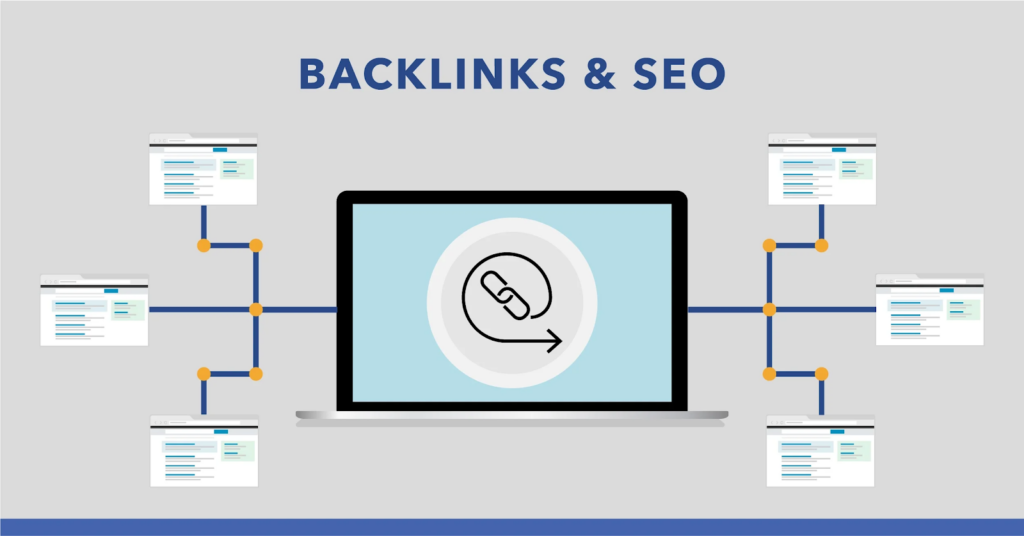
- Buying Backlinks: This is a direct violation of Google’s terms and can lead to manual penalties.
- Ignoring Mobile Users: With the majority of Australian searches happening on mobile, a “desktop-first” design will kill your rankings.
- Thin Content: Pages with 300 words of “fluff” do not provide value and will likely be ignored by crawlers.
- Keyword Stuffing: Overusing terms like seo marketing makes your content unreadable and signals spam to search engines.
Frequently Asked Questions (FAQ)
What is the most important factor for SEO marketing today?
User intent is the most critical factor. Google prioritizes pages that best answer the user’s specific query, whether they are looking for information, a specific website, or to make a purchase.
How long does it take to see results from SEO?
Generally, it takes 3 to 6 months to see significant movement in rankings. However, this depends on the competitiveness of your industry and the current health of your website.
What are topical authority building methods?
These are strategies designed to make your website the “go-to” source for a specific subject. They include creating comprehensive content clusters, earning niche-specific backlinks, and maintaining high E-E-A-T signals.
Does site speed affect my Google ranking?
Yes. Google’s Core Web Vitals are a confirmed ranking factor. A slow site leads to a poor user experience, which increases bounce rates and lowers your position in the SERPs.
Can I do SEO marketing myself?
While basic SEO can be handled in-house, professional SEO involves complex technical audits, data analysis, and high-level content strategy that often requires specialist expertise to yield a high ROI.
Internal & External Resource Suggestions
Internal Linking Ideas
- Anchor Text: “Comprehensive Guide to Link Building”
- Anchor Text: “How to Conduct a Technical SEO Audit”
- Anchor Text: “Understanding Google Search Console for Beginners”
Recommended External References
- Google Search Central: The official documentation for Google’s crawling and indexing rules.
- Search Engine Journal: A leading industry publication for the latest updates on search algorithm changes.
Conclusion: The Future of Search
Mastering seo marketing is not a one-time task; it is an ongoing commitment to quality and relevance. By implementing the topical authority building methods outlined in this guide and focusing on a “user-first” approach, your Australian business can secure a dominant position in the search results for years to come.
Consistency is key. Focus on providing the best possible answer to your customer’s questions, and the rankings will follow.